use-cases

01.
Public Services & Digital Forms
Clear access to essential information and services.
Government portals, utilities, and service platforms often rely on dense content, long forms, and multi-step processes. Accessibility-first technology improves readability, navigation, and completion of critical digital tasks.

02.
Shopping & E-Commerce
E-commerce platforms rely on browsing, filtering, product descriptions, and checkout flows. Accessibility tools allow customers to shop independently, understand product details, and complete purchases with confidence.

03.
Hospitals & Healthcare
Clear navigation for essential healthcare services.
Healthcare platforms often contain appointment scheduling, patient forms, test results, and critical instructions. Accessibility-first technology improves clarity, readability, and navigation across healthcare content and patient portals.

04.
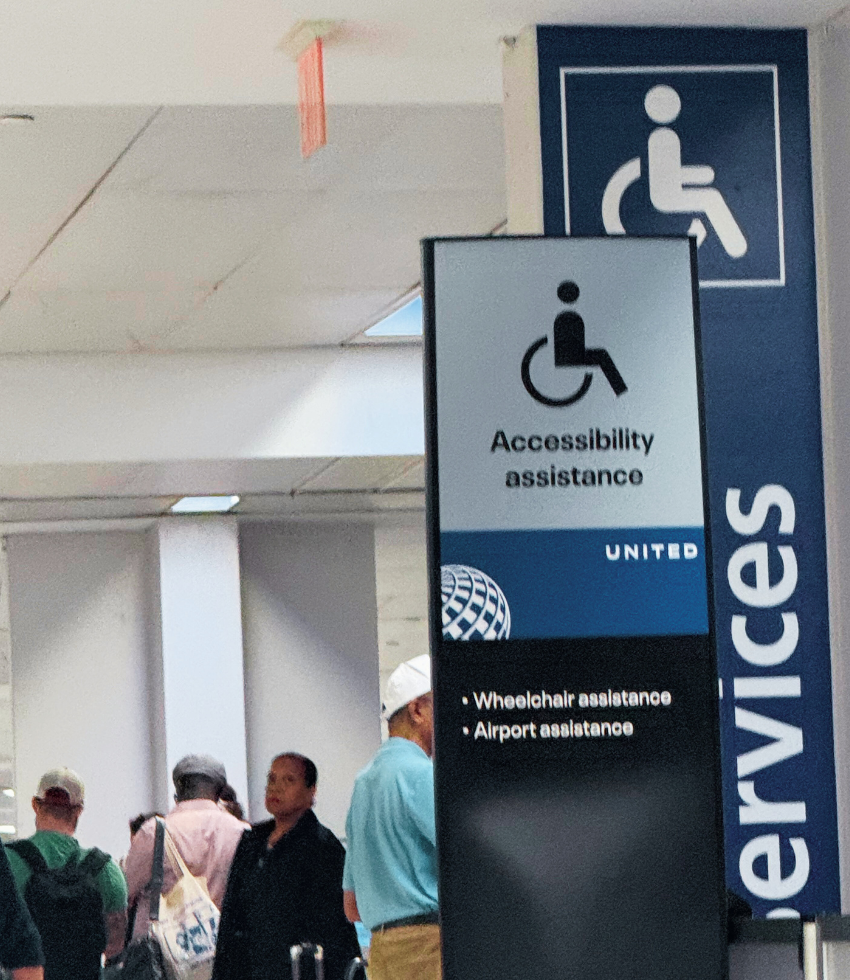
Travel Concierge
Travel websites combine flight booking, hotel reservations, confirmations, and itineraries. Accessibility-first tools allow content to adapt in real time, supporting clear navigation and independent trip planning.